RCEM SLOs Explained: The Key to Mastering Emergency Medicine
Feb 26, 2025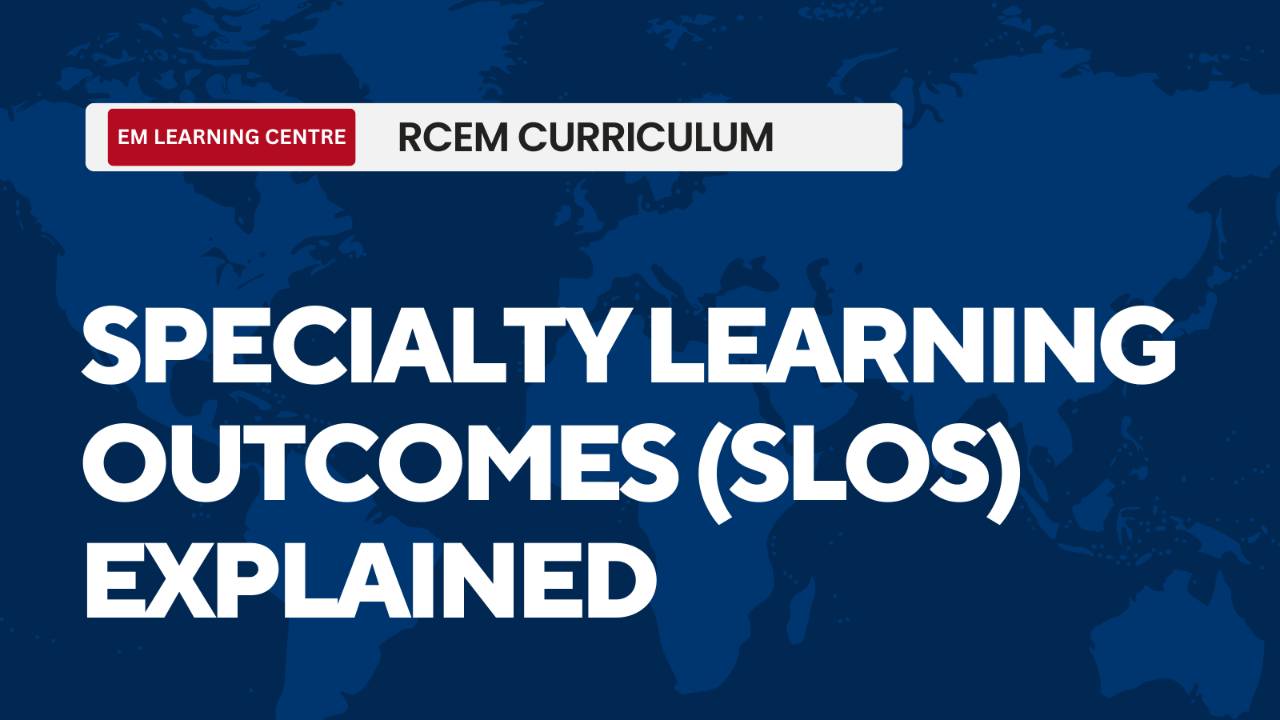
Introduction
The Royal College of Emergency Medicine (RCEM) 2021 curriculum is structured around 12 Specialty Learning Outcomes (SLOs), ensuring that emergency medicine trainees develop the necessary skills to provide safe, effective, and high-quality care. These outcomes cover a broad range of competencies, from direct patient care to leadership, education, data management, and quality improvement.
Below is a breakdown of each SLO, explaining its significance and how it shapes the future of Emergency Medicine training and practice in the UK.
SLO1 – Care for Physiologically Stable Adult Patients Across the Full Range of Complexity
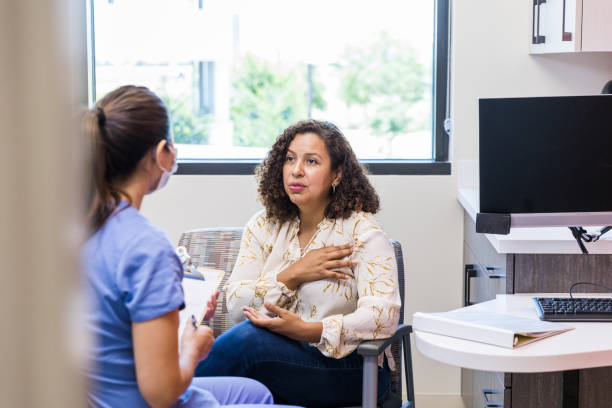
Emergency physicians must be able to assess, diagnose, and manage stable adult patients who present with a wide range of conditions, from minor ailments to complex multi-system disease. This includes:
✅ Taking a thorough history and performing an appropriate examination
✅ Ordering and interpreting investigations effectively
✅ Safely discharging or referring patients based on clinical need
✅ Ensuring continuity of care by communicating with other specialties
This SLO reflects the core function of Emergency Medicine – managing patients who require urgent, unscheduled care that is not immediately life-threatening, while maintaining safety, efficiency, and high standards of documentation and communication.
SLO2 – Support the Clinical Team by Answering Clinical Questions and Making Safe Decisions

Decision-making is at the heart of Emergency Medicine. This SLO ensures that trainees:
✅ Make timely and evidence-based decisions in the ED
✅ Support colleagues by providing clinical advice and second opinions
✅ Recognise when to escalate cases to senior clinicians
✅ Understand their limits of competency and seek help when necessary
It reinforces the responsibility to safeguard patient care by ensuring that decisions are safe, appropriate, and well-informed – a key competency tested throughout MRCEM and FRCEM assessments and expected in day-to-day ED practice.
SLO3 – Identify Sick Adult Patients, Resuscitate and Stabilise, and Know When to Stop
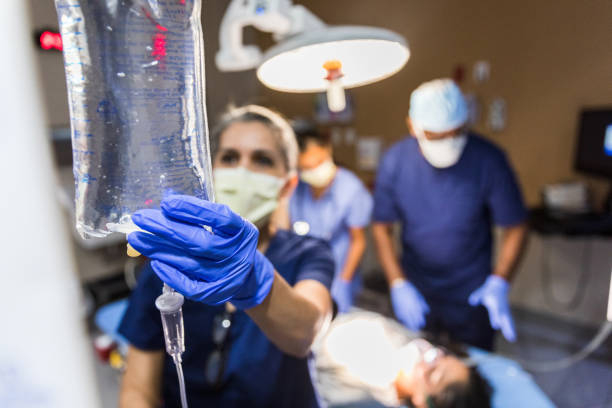
This outcome focuses on recognising and managing critically ill patients, ensuring rapid and effective resuscitation. It includes:
✅ Early identification of deterioration and physiological instability
✅ Leading resuscitation for cardiac arrest, sepsis, shock, and major haemorrhage
✅ Knowing when to escalate care, when to involve intensive care and when to withdraw or limit treatment
✅ Effective use of advanced life support, trauma and peri-arrest protocols
This SLO prepares Emergency Medicine trainees to act decisively in life-threatening situations, balancing aggressive resuscitation with realistic goals of care and shared decision-making.
SLO4 – Care for Acutely Injured Adult Patients Across the Full Range of Complexity
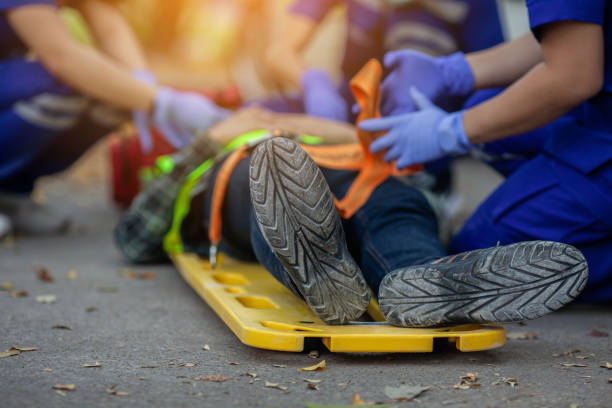
Trauma and injury are central to Emergency Medicine. This SLO ensures that clinicians:
✅ Perform a structured trauma assessment (primary and secondary survey)
✅ Identify hidden or occult injuries that may not be immediately obvious
✅ Safely manage both minor injuries and major polytrauma cases
✅ Coordinate multidisciplinary care with orthopaedics, surgery, radiology and critical care
It ensures emergency physicians are competent in trauma care, from simple fractures and lacerations to complex, multi-system trauma, including major incident and prehospital interfaces.
SLO5 – Care for Children of All Ages in the ED, at All Stages of Development, and Children with Complex Needs

Children have unique physiological, developmental, and psychological needs. This SLO ensures that clinicians:
✅ Recognise normal and abnormal paediatric presentations across all age groups
✅ Use age-appropriate assessment tools and observation scores
✅ Provide effective pain management and procedural sedation
✅ Communicate sensitively with children, parents, and carers
It ensures Emergency Medicine trainees are confident in managing paediatric emergencies, safeguarding concerns and children with complex needs safely and effectively.
SLO6 – Deliver Key Procedural Skills in Adults
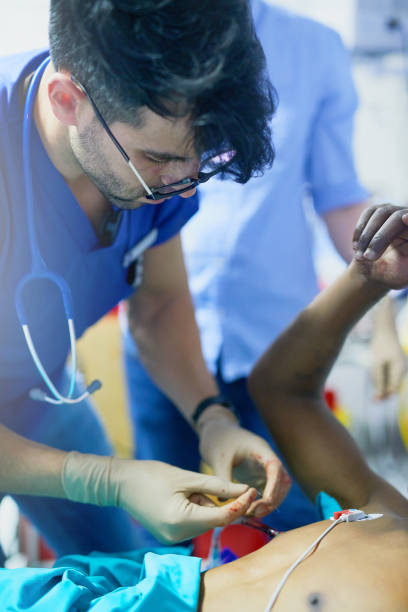
Procedural competency is essential in Emergency Medicine. This SLO ensures that clinicians can:
✅ Perform airway management, vascular access and other life-saving procedures
✅ Use ultrasound to guide procedures safely and effectively
✅ Ensure patient safety, consent and comfort before, during and after procedures
✅ Recognise when to seek senior, anaesthetic or surgical support
This outcome guarantees that Emergency Medicine trainees acquire and maintain the technical skills needed in resus, majors and minors, underpinned by supervision, simulation and ongoing CPD.
SLO7 – Deal with Complex and Challenging Situations in the Workplace

Emergency Medicine is unpredictable, requiring strong communication, professionalism and emotional intelligence. This SLO ensures that clinicians can:
✅ Manage aggressive, distressed or vulnerable patients safely
✅ Handle ethical dilemmas and end-of-life discussions with sensitivity
✅ Balance clinical workload, risk and patient flow during crowding
✅ Maintain professionalism and composure in high-pressure scenarios
It develops resilience, adaptability and leadership behaviours, which are vital in a demanding ED environment and central to consultant practice.
SLO8 – Provide Clinical Leadership to the Department in the Context of the Multi-Professional Team

An Emergency Department runs safely when effective clinical leadership is in place. This SLO ensures clinicians can:
✅ Lead the clinical team during a busy shift and in resus
✅ Make strategic decisions about patient flow and resource allocation
✅ Work with nurses, paramedics and specialists to coordinate care
✅ Manage major incidents and department-wide crises
It develops the leadership qualities necessary for running a safe, effective ED, and aligns closely with consultant-level expectations in RCEM training.
SLO9 – Support, Supervise, and Educate

Training and mentorship are key responsibilities of senior Emergency Medicine clinicians. This SLO ensures that trainees can:
✅ Provide constructive feedback and supervision to junior doctors and students
✅ Teach clinical skills and procedural techniques in the ED
✅ Support multidisciplinary team learning and simulation
✅ Develop a culture of continuous education in the department
It ensures that Emergency Medicine remains a rich, supportive learning environment for future clinicians, aligned with RCEM training standards and CPD requirements.
SLO10 – Participate in Research and Manage Data Appropriately

Evidence-based medicine underpins Emergency Medicine. This SLO ensures that clinicians:
✅ Engage with clinical research, audits and service evaluations
✅ Apply critical appraisal skills to the Emergency Medicine literature
✅ Use patient data ethically, securely and in line with governance frameworks
✅ Contribute to innovation and advancement in Emergency Medicine practice
It encourages trainees to stay at the forefront of medical knowledge, linking front-line ED practice with research, QI and data-driven improvement.
SLO11 – Participate in and Promote Activities to Improve the Quality and Safety of Patient Care

Continuous improvement is crucial in Emergency Medicine. This SLO ensures that trainees:
✅ Identify areas for improvement in clinical practice and patient pathways
✅ Engage in Quality Improvement (QI) projects and audit cycles
✅ Learn from clinical incidents, complaints and patient feedback
✅ Promote a culture of safety, reflection and shared learning
It fosters continuous improvement to enhance patient safety, ED performance and staff experience, integrating governance into everyday practice.
SLO12 – Manage, Administer, and Lead

Beyond clinical care, Emergency Medicine consultants are deeply involved in management and governance. This SLO ensures that clinicians:
✅ Understand departmental policies, governance structures and NHS systems
✅ Participate in hospital administration, rota planning and service design
✅ Take on leadership roles beyond the ED, including Trust-wide responsibilities
✅ Engage in workforce planning, risk management and operational decision-making
It prepares future Emergency Medicine consultants to be effective clinical leaders, managers and advocates for safe, sustainable urgent and emergency care.
Final Thoughts: The Blueprint for Emergency Medicine Training
The RCEM Specialty Learning Outcomes define the essential skills and behaviours required to become a well-rounded Emergency Medicine clinician. By mastering these outcomes, trainees develop the ability to:
✔️ Provide safe, effective and compassionate patient care
✔️ Support, supervise and lead colleagues across the multidisciplinary team
✔️ Engage in research, teaching, governance and quality improvement
✔️ Navigate complex, high-pressure clinical environments with professionalism
These SLOs ensure that Emergency Medicine doctors do not just excel in resuscitation and rapid decision-making, but also in leadership, education, data stewardship and continuous improvement. By embracing the RCEM curriculum and its SLOs, trainees prepare themselves for a dynamic, challenging and deeply rewarding career in Emergency Medicine.
Author